
Understanding Dietary Essentials and Micronutrients
Discover the science behind nutrition and how dietary components contribute to overall wellbeing. This portal provides evidence-based, educational information about the role of nutrients in maintaining health.
Explore the TopicWhy Dietary Essentials Matter
The human body requires a complex array of nutrients to function optimally. These include macronutrients (carbohydrates, proteins, fats) and micronutrients (vitamins and minerals) that play distinct roles in metabolism, immune function, cellular repair, and energy production.
Understanding the principles of balanced nutrition helps explain why food variety and quality matter in everyday dietary practices. Different populations, including men across various life stages, benefit from knowledge about nutritional components and their dietary sources.
This institutional knowledge portal aims to present scientific explanations of nutrient functions, the distribution of nutrients in food groups, and the principles of balanced nutrition—without providing personal medical advice.

The Foundation: Macronutrients
The three primary macronutrients form the energetic and structural foundation of diet:
Carbohydrates
Primary energy source for the body. Found in whole grains, vegetables, legumes, and fruits. Provide glucose for cellular respiration and brain function.
Proteins
Essential for tissue repair, enzyme production, and hormone synthesis. Rich sources include lean meats, fish, eggs, legumes, nuts, and dairy products.
Fats
Critical for hormone production, nutrient absorption, and cell membrane integrity. Found in nuts, seeds, avocados, oils, and fatty fish like salmon.
Essential Micronutrients: Vitamins and Minerals
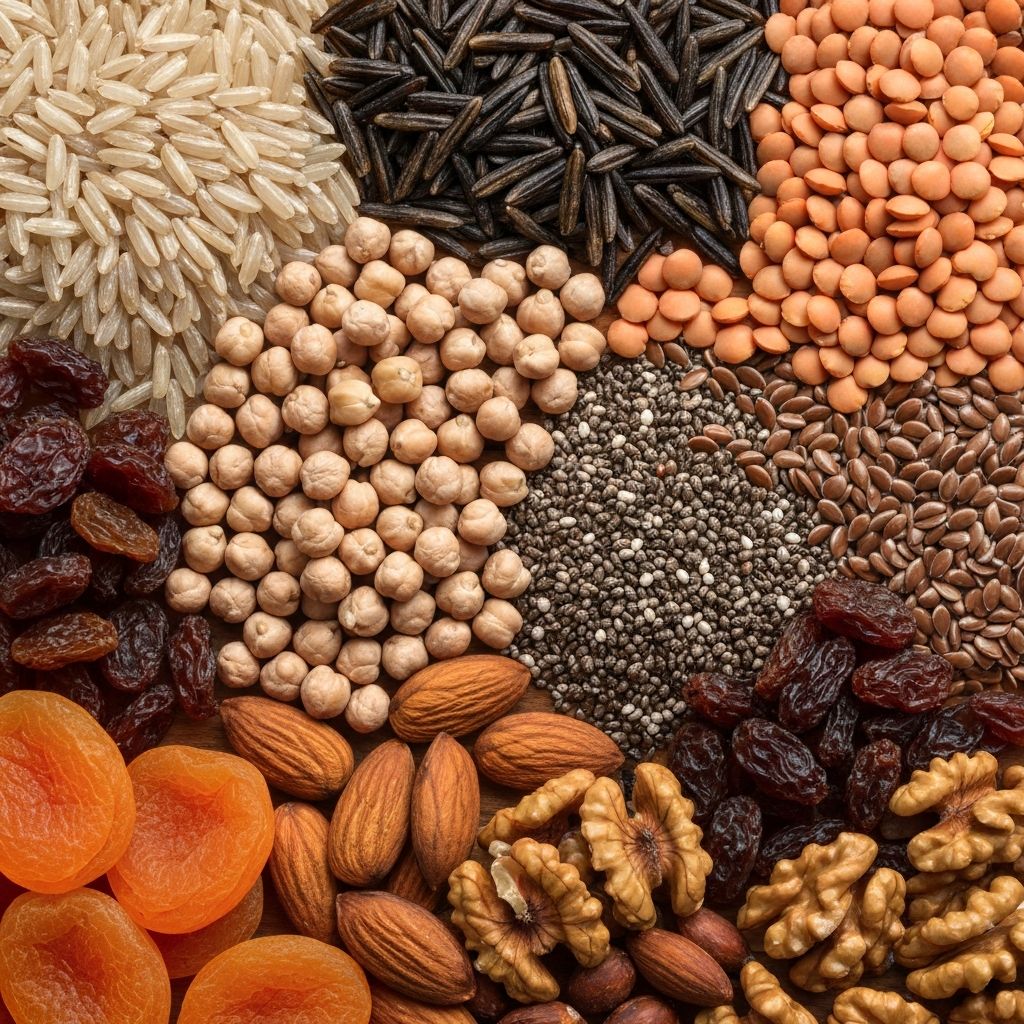
While required in smaller quantities than macronutrients, micronutrients are vital for countless physiological processes:
- Vitamins act as coenzymes in metabolic pathways, support immune function, and protect against oxidative stress.
- Minerals maintain electrolyte balance, support bone structure, facilitate nerve transmission, and regulate muscle contraction.
Different vitamins (A, B-complex, C, D, E, K) and minerals (iron, calcium, magnesium, zinc, potassium, sodium) each have specialized roles. The diversity of natural food sources ensures a broad spectrum of these compounds.
Nutritional Considerations for Men's Wellbeing
Research in nutritional science has identified particular nutrients that support general male health patterns across populations:
Zinc
Plays roles in immune function, protein synthesis, and various enzymatic reactions. Found in oysters, beef, beans, and nuts.
Iron
Essential for oxygen transport in blood. Red meat, poultry, beans, and fortified cereals are primary dietary sources.
B-Complex Vitamins
Support energy metabolism and neurological function. Found in whole grains, meats, eggs, and leafy vegetables.
Selenium
Supports antioxidant defense systems. Brazil nuts, seafood, and whole grains are significant sources.
Primary Food Groups and Their Nutrient Profiles
A balanced diet incorporates foods from all major groups, each contributing distinct nutritional benefits:
Vegetables & Fruits
Rich in vitamins (especially C and K), minerals (potassium, magnesium), fiber, and phytonutrients. The variety of colors indicates diverse micronutrient profiles.
Whole Grains
Provide complex carbohydrates, B vitamins, magnesium, and dietary fiber. Support sustained energy and digestive health.
Proteins
Plant-based sources (beans, lentils, nuts) and animal sources (meat, fish, eggs) each offer different micronutrient accompaniments alongside complete or complementary amino acid profiles.

Principles of Balanced Nutrition
Variety and Diversity
Consuming foods from all groups ensures a comprehensive micronutrient intake. Different populations and seasons offer varying nutrient densities.
Rotation of food choices maximizes the spectrum of compounds available from the natural food supply.
Processing and Nutrient Density
Minimally processed whole foods generally retain more nutrients than highly refined versions. Understanding these differences helps inform everyday dietary choices.
Cooking methods (steaming, roasting) can affect nutrient bioavailability and preservation.
About This Information
This portal provides educational information only. It explains general principles of nutrition and micronutrient functions in the body. The content does not constitute personal medical advice, diagnosis, or treatment recommendations.
Individual nutritional needs vary based on age, health status, activity level, and other factors. Different approaches to nutrition may suit different people. The information presented here should not replace consultation with qualified healthcare professionals for personal health decisions.
Continue Your Learning
Explore detailed articles about specific nutrients, food groups, and nutritional science.
Read More Insights